
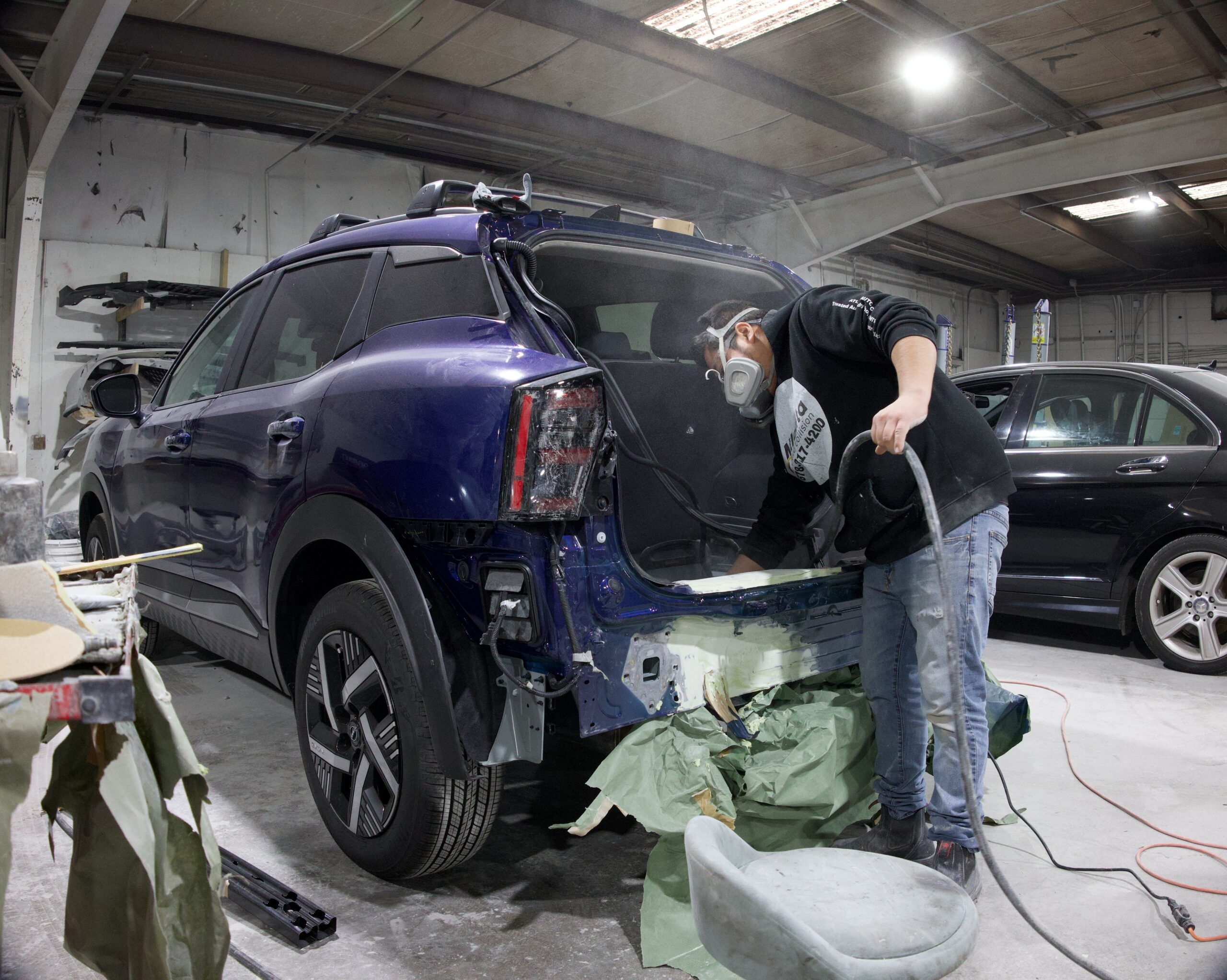
If you’ve been in a car accident around Metro Atlanta, you don’t want to drive off without first knowing the extent of the damage. A cracked bumper or a trunk that still opens may seem fine, but a lot of hidden damage after a car accident could be lurking underneath.
It’s common for a rear-end accident to conceal a bent reinforcement, or for a minor side impact to affect your suspension mounting points. You might not see any dashboard warning lights or trouble codes, but you may still face serious damage you can’t detect without experience and the right process.
At Atlanta Auto Collision Center, we always encourage clients to get a full workup after an accident in Smyrna, Atlanta, and surrounding areas. It’s crucial to find hidden damage so you know your car is in proper working order and safe whenever you drive to work, school, or community events.
Why Can Collision Damage Be Hidden?
Think of a modern vehicle as having many layers. A bumper cover hides many factors, including reinforcement bars, absorbers, sensors, wiring, and structural components. Exterior quarter panels hide wheelhouses. All kinds of suspension components and mounting points sit underneath the vehicle, where you cannot normally see them.
A regular collision repair inspection starts with finding visible damage, but doesn’t end there. Our professional technicians follow manufacturer-approved processes, considering the direction and severity of the impact, and then investigate components that have absorbed the accident force. That is especially crucial with rear-end collision repair.
How We Find Hidden Damage After a Car Accident
Step 1: Disassembly Reveals What the Exterior Hides
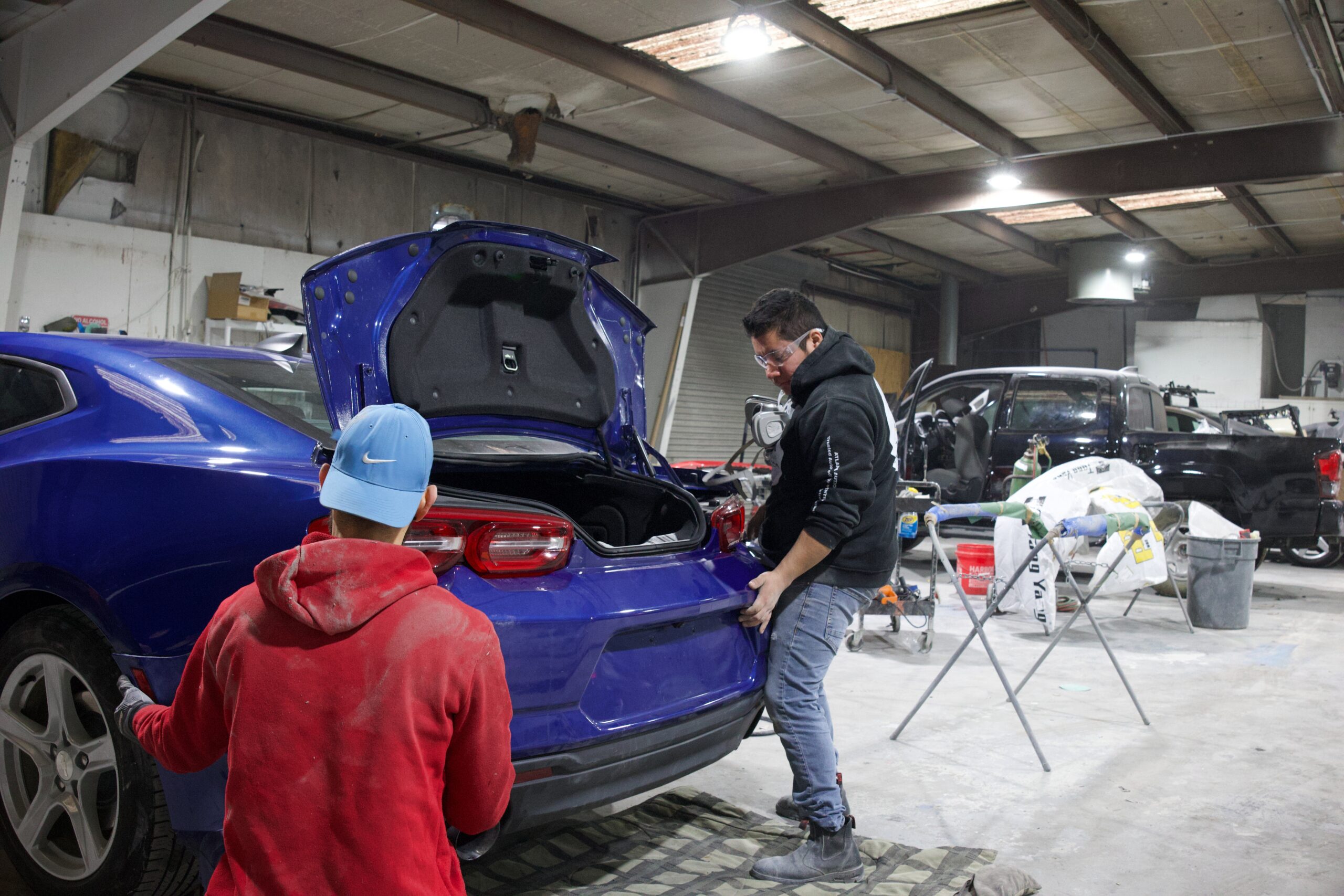
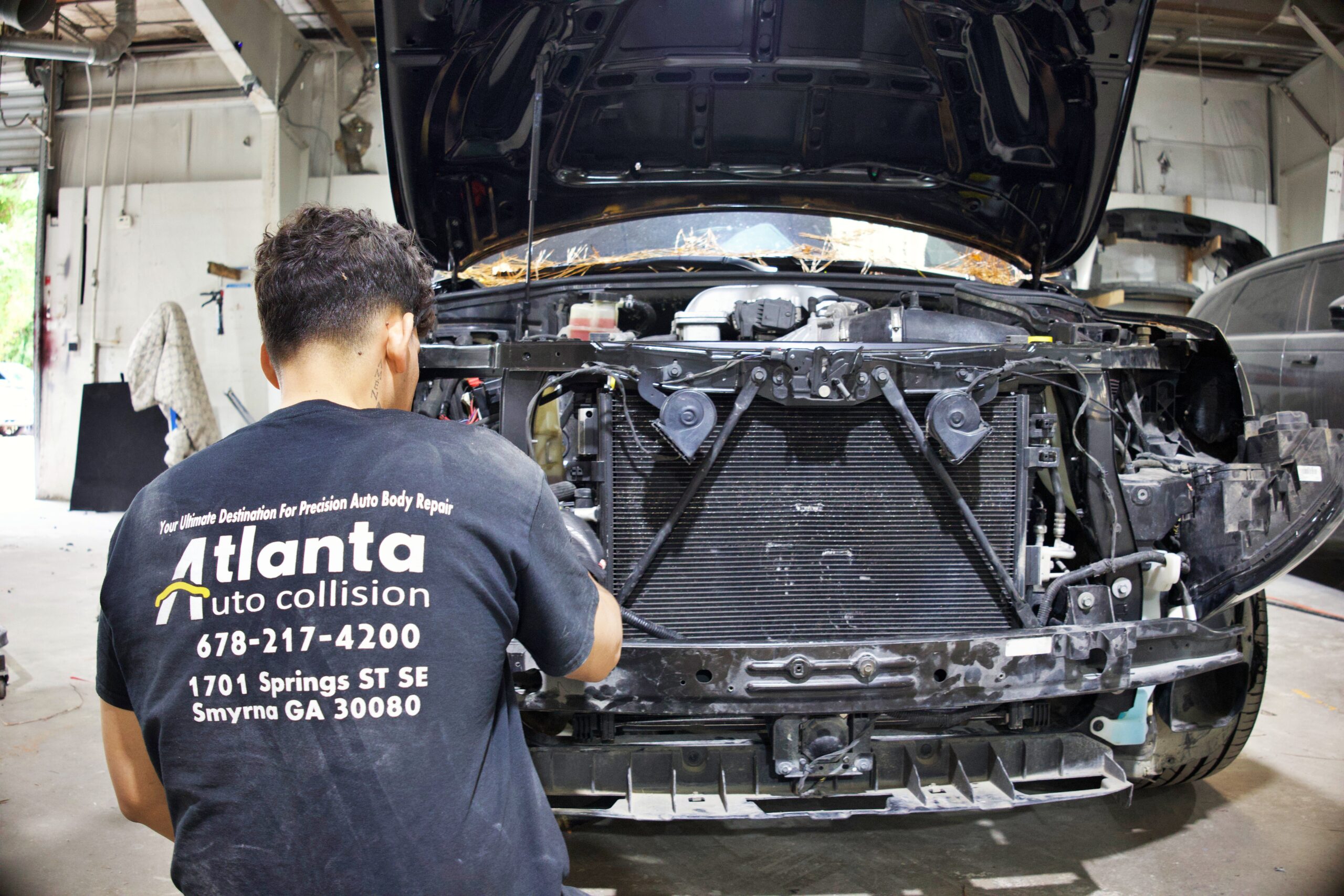
A visual inspection is first and you have the power to choose the body shop you want to perform that task even if your insurance recommends someone else. Then, we look for hidden collision damage during disassembly (often called teardown or blueprinting). During a collision repair teardown, our team removes damaged or obstructing components. That lets us see behind hidden areas.
Depending on the type of collision, we may need to remove bumpers, lamps, trim, panels, or more. It’s important to look at the entire repair picture. That helps us provide a better insurance estimate or supplement the original repair plan so it covers all the essentials that keep your vehicle safe.
Step 2: Technicians Check the Vehicle’s Structure
Not all the structural damage after a car accident is easy to spot. Modern vehicles may have a “unibody” or be built on manufacturer dimensions and reference points. A T-bone impact in Vinings can move part of that structure enough to matter without leaving anything “bent” from the outside.
We have the processes and specialized measuring systems to compare those critical points. We then determine whether anything has shifted, if it’s impacted structural integrity, and whether other areas like suspension mounting locations, body openings, or more have been damaged.
Step 3: Diagnostic Scanning Looks for Problems You Can’t See
A modern collision inspection isn’t entirely a physical or manual task. Modern cars have endless systems all connected by computers, modules, sensors, cameras, and safety systems. Vehicle diagnostic scans after an accident play a significant role in the repair process.
We may do a pre-repair scan to identify diagnostic trouble codes or determine whether a particular electronic system needs a closer look. Plenty of damage won’t trigger a dashboard warning light, so that access is important to determining damage.
A code also isn’t the end-all, be-all of truth. We use our experience, OEM repair procedures, and additional diagnostic testing to ensure we don’t miss anything else. That attention to detail is why we have so many return and referral clients around Metro Atlanta.
Step 4: ADAS Sensors and Cameras Must Be Evaluated
One aspect any auto body shop should explore after an accident is ADAS, or Advanced Driver Assistance Systems. That may include:
- Automatic emergency braking
- Blind-spot monitoring
- Adaptive cruise control
- Lane-departure warning
- Lane-keeping assistance
- Parking sensors
- Surround-view cameras
ADAS sensors and cameras are fantastic because they provide warnings and help protect drivers and passengers. However, they can be mounted in places where impacts are common, like bumpers, windshields, mirrors, and tires.
The thing is, a collision may not impact the sensor itself, but the mounting location. Calibration is crucial in these situations, using OEM information so those systems can come back online reliably.
Step 5: Technicians Determine Whether Calibration Is Required
Any ADAS calibration after collision repair has to be taken seriously. Technicians must research the year, make, model, equipment, and repair procedures for your specific vehicle. Calibration might require stationary targets and specialized equipment. You may also need to test dynamic road performance under very specific conditions.
You don’t want the backup camera pointed the wrong way when you’re trying to fit into a busy parking lot, or the radar not working when you’re driving down a busy street with children at play. Sticking to manufacturer-required operating procedures helps properly calibrate and restore the system.
Step 6: Post-Repair Checks Help Confirm the Job Is Complete
To be clear, we at Atlanta Auto Collision Center will send out supplemental estimates to the insurance provider whenever we do find hidden damage after a car accident in Atlanta. We have spent years working with insurance companies and understand how to properly format and communicate to help streamline the repair process.
That being said, we also need to ensure the quality of our repairs. We do a post-repair check to ensure panel alignment is correct and lights work properly as you drive. We don’t want the car just to look good. Collision repair to find hidden damage after a car accident requires in depth analysis to address everything possible.
FAQs
How do collision repair shops find hidden damage after a car accident?
Our technicians use a combination of tools, manufacturer procedures, OEM processes, and diagnostic systems to properly find hidden damage after a car accident. We then filter that information through our experience to develop a more accurate repair plan and estimate.
Can my car have hidden damage even if it looks fine?
Yes. Hidden collision damage can easily be underneath panels, bumpers, hoods, and the entire car body. Crash forces travel well beyond what you can see with the naked eye and often require expertise to locate.
What is a collision repair teardown?
The goal of a collision repair teardown is to remove anything blocking the underlying components so our technicians can inspect what isn’t visible and then adjust the estimate and repair plan accordingly.
When is ADAS calibration required after collision repair?
Most modern cars will need ADAS calibration after collision repair. It’s pretty common for a modern vehicle to have backup cameras, proximity sensors, radar systems, and a ton of other electronics for safety and security that need a little extra TLC during collision repair.
Why a Professional Collision Inspection Matters
The next time you’re searching for an auto body shop after an accident and don’t know what to do, make sure the team you’re working with will go the extra mile to identify any hidden damage after a car accident. You never want to judge the severity of an accident in Marietta, Mableton, Cumberland, Sandy Springs, Smyrna, or anywhere else by what you can see alone. It rarely tells the entire story.
At Atlanta Auto Collision Center, we’ve seen enough damage to know the outside usually hides what’s really going on underneath. We follow manufacturer guidance and OEM procedures, aligned with properly created estimates, to ensure accurate damage analysis, disassembly, measuring, diagnostic scanning, ADAS evaluation, and a complete repair plan.
We’re here to provide the information and honest guidance you need after an accident. We have the training, tools, and insurance communication experience to help you get your car repaired and back on the road. Get a free collision repair estimate today by calling our professional team at (678) 217-4200 or sending us a note online. We also welcome walk-ins to our Smyrna location and can offer some pickup/drop-off services to help.