Why You Need to Know What to Do After a Car Accident in Georgia
What do you do when you’re commuting through Smyrna and another vehicle comes out of nowhere at an intersection and T-bones your ride? If you’re lucky, it’s a minor fender bender. If you’re not, there could be serious damage to the vehicle and your passengers, leaving you stranded on the side of the road.
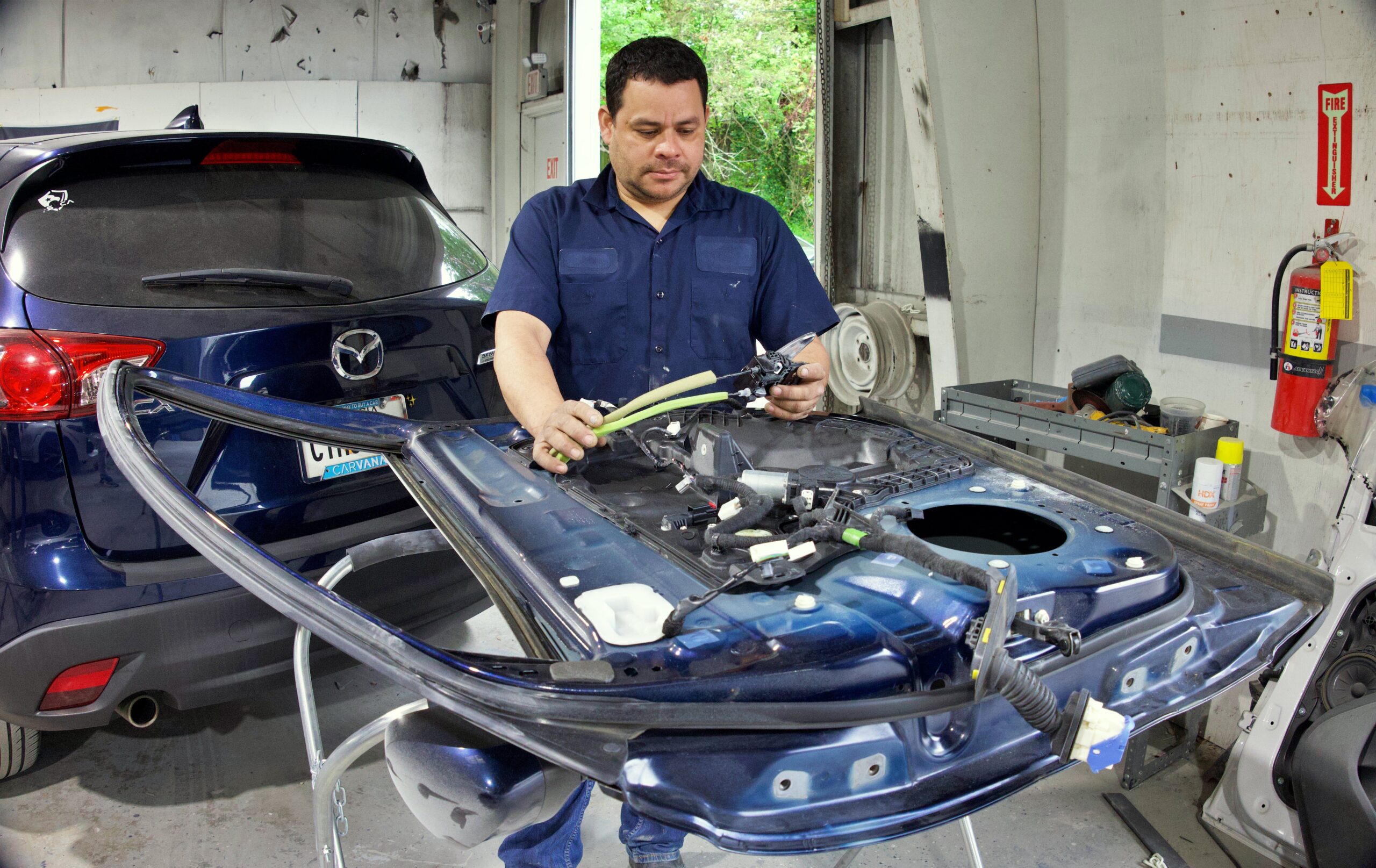
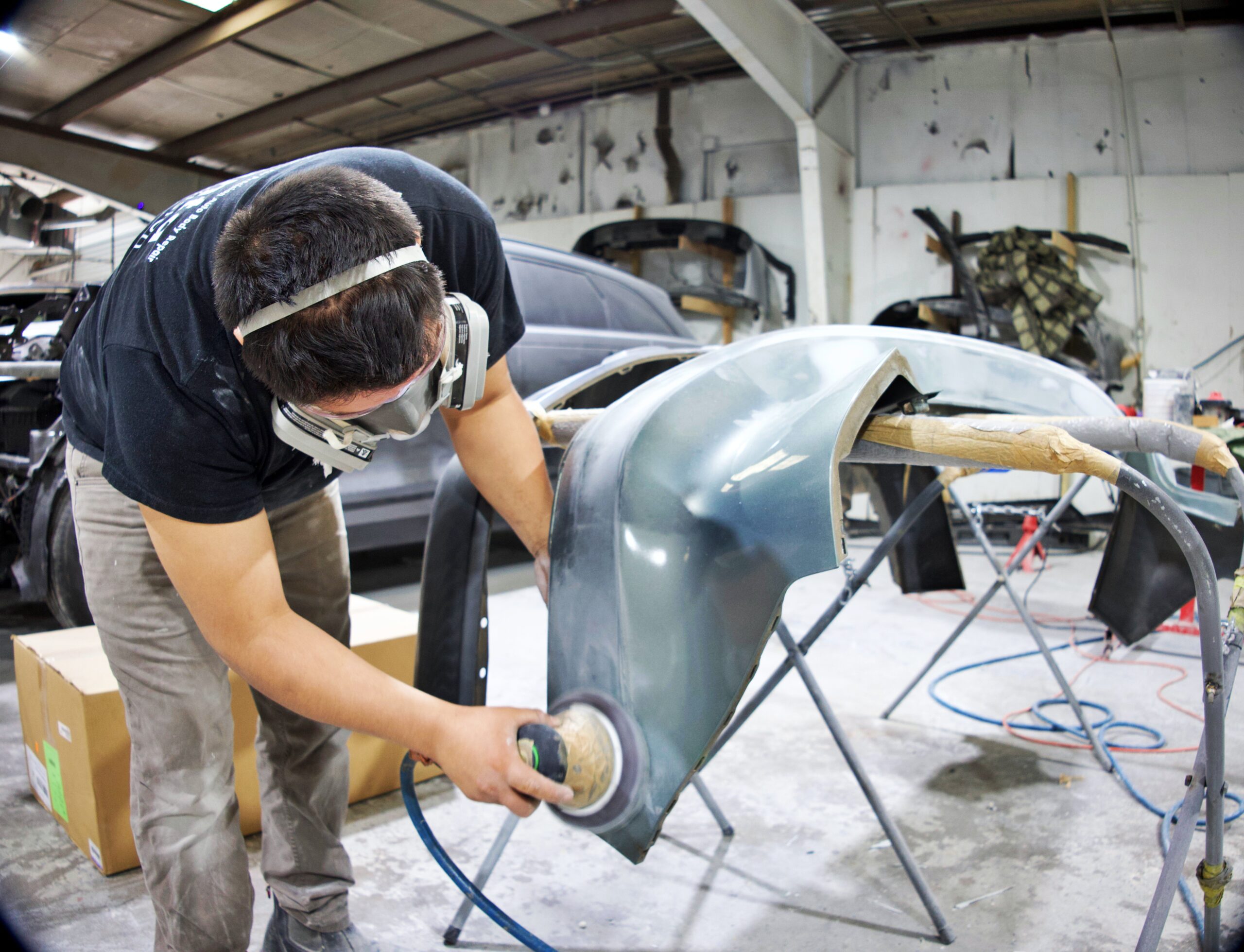
At Atlanta Auto Collision Center, we work on many accident-damaged vehicles and insurance claims. We’ve seen drivers show up with massive dents and twisted frames, as well as minor cosmetic fixes and paint repairs.
The thing is, even a minor dent could hide serious damage underneath. That is why knowing what to do after a car accident in Georgia matters. It protects you and your vehicle and documents what damage needs to be repaired through your insurance provider. Here’s a quick step-by-step guide to help you.
Step 1: Get to Safety
Of the many steps to take after a car accident in Georgia, making sure everyone is safe is priority number one. First, double-check yourself and your passengers for injuries. Second, if you do suspect health issues, call 911 immediately.
Georgia’s Department of Driver Services currently recommends that anyone involved in a crash stop and immediately get to a safe place to receive reasonable assistance. So, if you’re in a minor car accident in Atlanta on a multilane highway, getting out of active traffic is important.
The caveat is if there is any serious injury or death. In those cases, you need to decide whether to stay put and wait for emergency services.
Step 2: Call the Police Once Safe
Even if everyone at the scene seems safe and out of harm’s way, you still need to call the local police. Laws around reporting an accident directly affect who is responsible for injuries, deaths, or property damage. That documentation is crucial to assigning liability for later repairs. If the accident had an injury, death, or property damage of $500 or more, you have to contact local police.
According to the Georgia Office of the Commissioner of Insurance and Safety Fire, note the officer’s name, badge number, and any other police station information so you can get an official accident report.
Step 3: Exchange Info and Document
The next natural step for what to do after a collision is to exchange info. You need to provide your name, address, and insurance information with the other drivers and receive that same information from them. Taking a photo of a valid driver’s ID is a good start. You may also want to document everything that happened with the accident, including:
- All sides of both vehicles
- Close-ups of visible damage
- License plates
- Vehicle positions when safe to document
- Road markings and traffic signals
- Skid marks or debris
- Weather and road conditions
- The surrounding intersection or roadway
Use your smartphone for videos and photos. If you’re in an accident near Cobb Parkway in Smyrna or a major intersection in Marietta, take close-up photos of the lanes, signals, and vehicle positions, and also take wide shots that provide broader context.
Step 4: Don’t Assume the Vehicle Is Safe to Drive
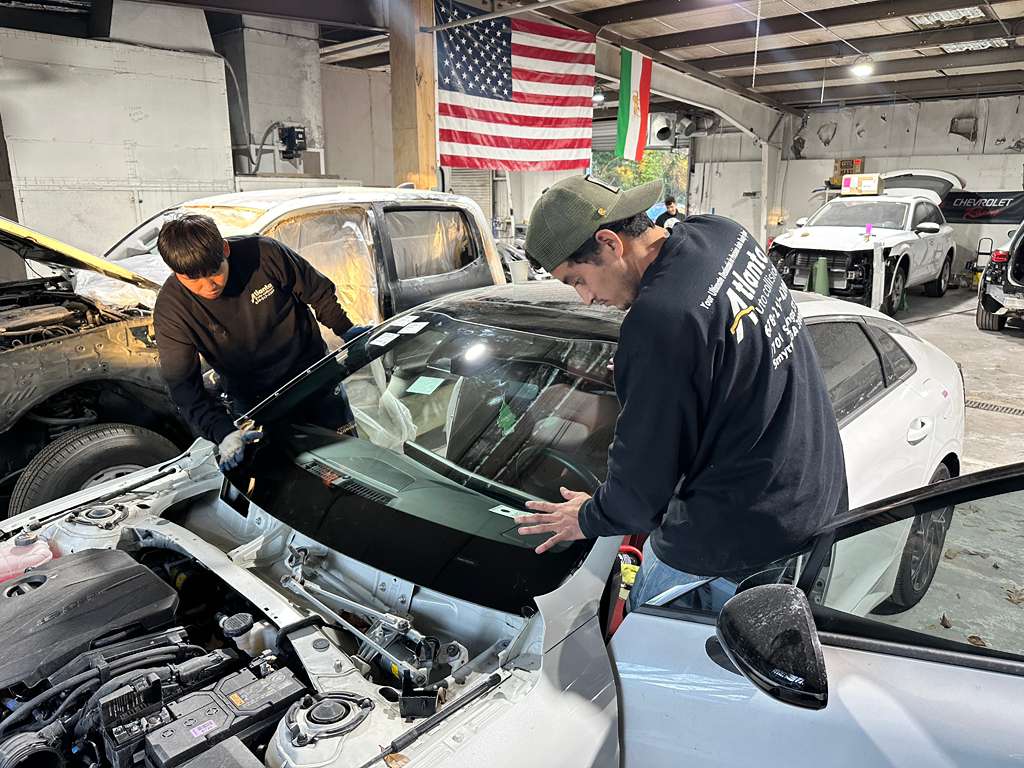
What to do after a collision if your car is unsafe to drive? You might think a cracked bumper is perfectly fine, but it could hide suspension damage or frame issues that make the car dangerous to drive. A rear-end collision can cause a bent trunk floor, damaged sensors, exhaust issues, and other components that increase risk.
As a leading provider of auto body work, we regularly see hidden collision damage during our inspection process. Once those damaged panels are removed, it’s common to discover new problems that would otherwise have been hidden. That’s why we always recommend being cautious after a collision and considering a tow truck instead.
Quick Note: Decide about towing
Whether you call for a tow is up to you, but we recommend it whenever there is any doubt whether the vehicle is safe to drive or not. That could mean deployed airbags, leaking fluids, weird noises, or similar issues. The reason is hidden damage, tire issues, leaking fluids, steering problems, deployed airbags, and anything else that could make the car unsafe to drive. That’s even more important around high-speed Metro Atlanta areas on I-75 and I-285. You’re not going to drive parking lot speeds on a dangerous highway.
Step 5: Notify Your Insurance Company
Report the accident to your insurance company as soon as you can, while the details are fresh in your mind. Most insurance companies let you upload photos, videos, notes, and other information through a mobile app. That makes getting professional collision repair after an accident much easier, even if the insurance company needs a supplement for review.
At Atlanta Auto Collision Center, we can work with your insurance company. Our technicians and customer service team have experience providing estimates, supplements, and communicating your vehicle’s needs to ensure a reasonably fast turnaround time to get your car repaired and back on the road.
Step 6: Choose a Collision Repair Shop
Here’s the tricky part about choosing a body shop after an accident. Finding the closest body shop near you may not be the best option. You also don’t have to go with whomever your insurance provider suggests. You have the final say in choosing your own body shop after a car accident in Georgia. The team you want should be who you trust to work on your car.
It’s okay to ask the shop questions. You should check:
- If the auto body shop in Georgia follows OEM or manufacturer-recommended procedures
- Inspects the vehicle for additional hidden damage
- Has experience dealing with your insurance provider
- Can document additional damage after inspection and teardown
- Has the equipment and training to properly conduct structural repairs and refinishing
- Can explain the repair plan before moving forward
That communication is a big deal. Overlooking any step in the repair process is risky. Many popular vehicle makes and models use high-strength steels, aluminum, structural adhesives, and carefully designed welding techniques. A crash can easily damage these components, and no two outcomes are the same after an accident.
Step 7: Expect the Repair Plan to Change After Inspection
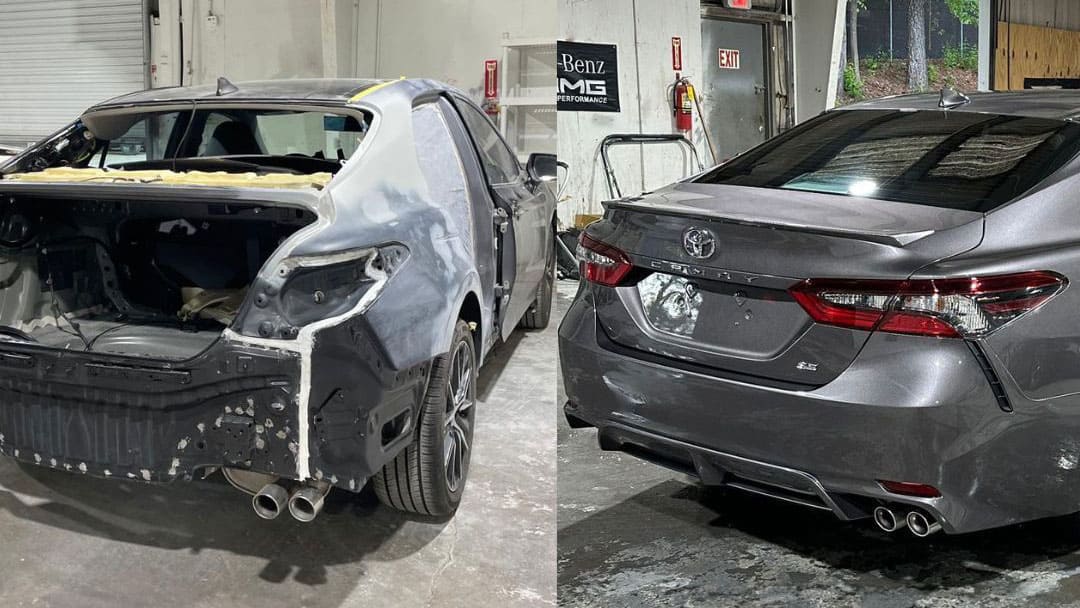
Once you do find a collision repair shop in Atlanta, the initial estimate is only the beginning. You need a qualified technician to inspect exterior damage, research OEM repair info, and then look more closely during teardown.
When a technician finds more damage, it doesn’t mean they missed something. The original estimate often doesn’t include getting underneath panels or into hard-to-reach components. Sometimes, the steps you take after a car accident mean the crushed parts of the car are too difficult to remove.
A good technician will follow up with supplemental estimates for both you and the insurance provider. It’s more about restoring the vehicle safely and accurately than making the visible damage disappear.
What to Do After a Car Accident in Atlanta
Whether you end up in an accident near Smyrna, Marietta, Vinings, Buckhead, East Cobb, or anywhere around Metro Atlanta, the basics of what to do after an accident remain the same. Keep people safe. Document everything. Ask for help. Report the incident to the authorities and your insurance provider. Then make sure you’re working with a professional collision repair shop after an accident.
At Atlanta Auto Collision Center, we frequently work on vehicles after an accident. Our experienced technicians will inspect your car, assess its safety, and determine whether repairs are needed while working with your insurance provider.
We’re here to help provide the information and honest guidance you need through industry-proven evaluations, not just guesswork. Get a free collision repair estimate today by calling our professional team at (678) 217-4200 or sending us a note online. We also welcome walk-ins to our Smyrna location and can offer some pickup/drop-off services to help.

FAQs: What to Do After a Car Accident in Georgia
Do I need to call the police after a minor accident in Georgia?
Yes. Even if there appears to be no damage, it’s best to follow procedure and contact local police. That official report is crucial for determining responsibility if damage is found later that wasn’t detectable at first.
Should I drive my car home after an accident?
Only drive the vehicle yourself if you can reasonably determine it is safely operable. Any hesitation from leaking fluids, steering issues, wheel damage, unusual noises, warning lights needs to be taken seriously. That’s when you should have it towed to our Smyrna shop.
What information should I get from the other driver?
Be sure to collect their name as it reads on their driver’s license, address, license number, and license plate number. If you don’t want to write things down, take photos using your smartphone.
What if the insurance estimate doesn’t include all the damage?
There’s a good chance that will happen. Collision damage is often hidden. Work with a professional technician who understands how to handle supplemental reports and estimates, especially with insurance providers.
How soon should I take my vehicle to a body shop?
The sooner, the better. Be practical, but find an auto body repair location like Atlanta Auto Collision Center so your car can be inspected, repaired, and back on the road in a reasonable timeframe.